Plansity
End to end well site planning
Problem Statement
Planning well site locations for hydraulic fracturing crews is a time-consuming process because it involves a lot of collaboration between various parties involved in well site operations on different stages. The field coordinator has to drive to the well site location, measure the pad, design the layout, meet with clients and negotiate their needs. Currently, the field coordinator gets to burn some calories every time when they need to get the size of the well pad.
Project Background
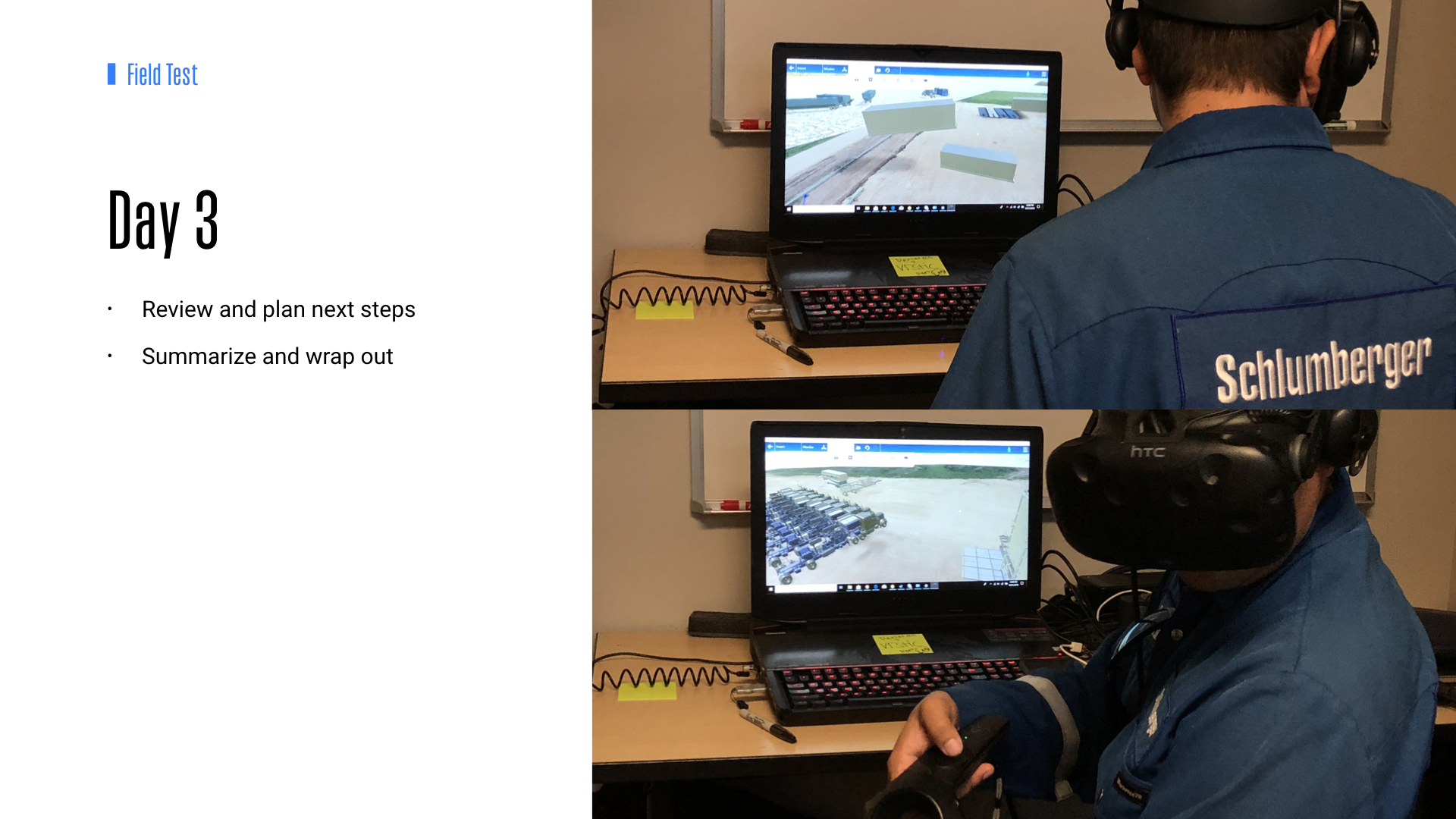
The team came to me and asked for a usability evaluation help when they were evaluating Tsunami XR, a VR application that allows users to
insert 3D models into a virtual environment and collaborate with other teams remotely. Tsunami XR works
across devices like VR headset, iPad and mobile phone. My team was working closely with their dev team
when their product was still in the early stages.
I was the UX lead for Plansity. I wanted to know how much this solution could impact our business and how
user-friendly the software was for the Plansity use cases. We also wanted to evaluate how satisfied users
were with the experience. In order to find answers out all these questions, I started with UX research and
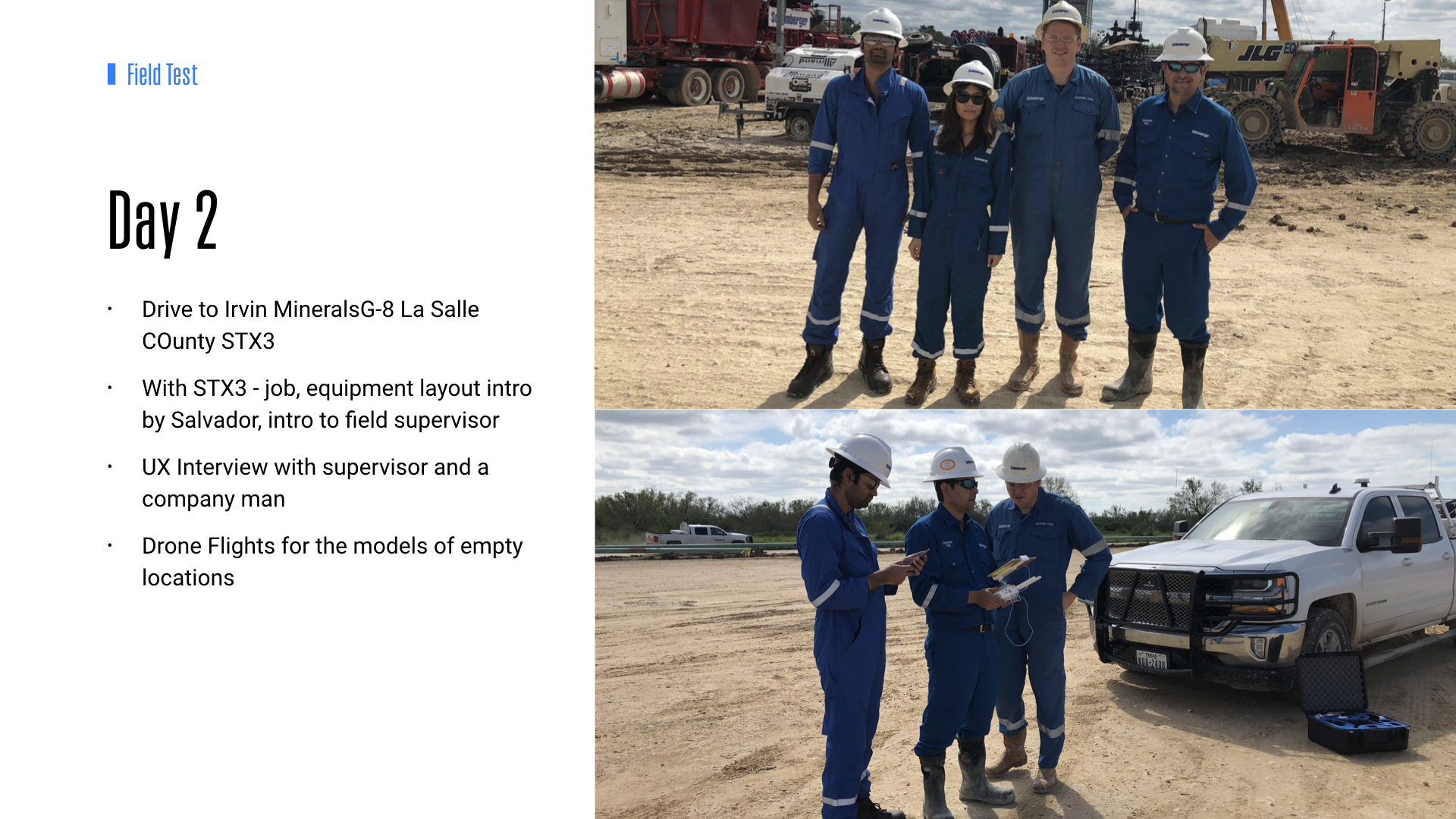
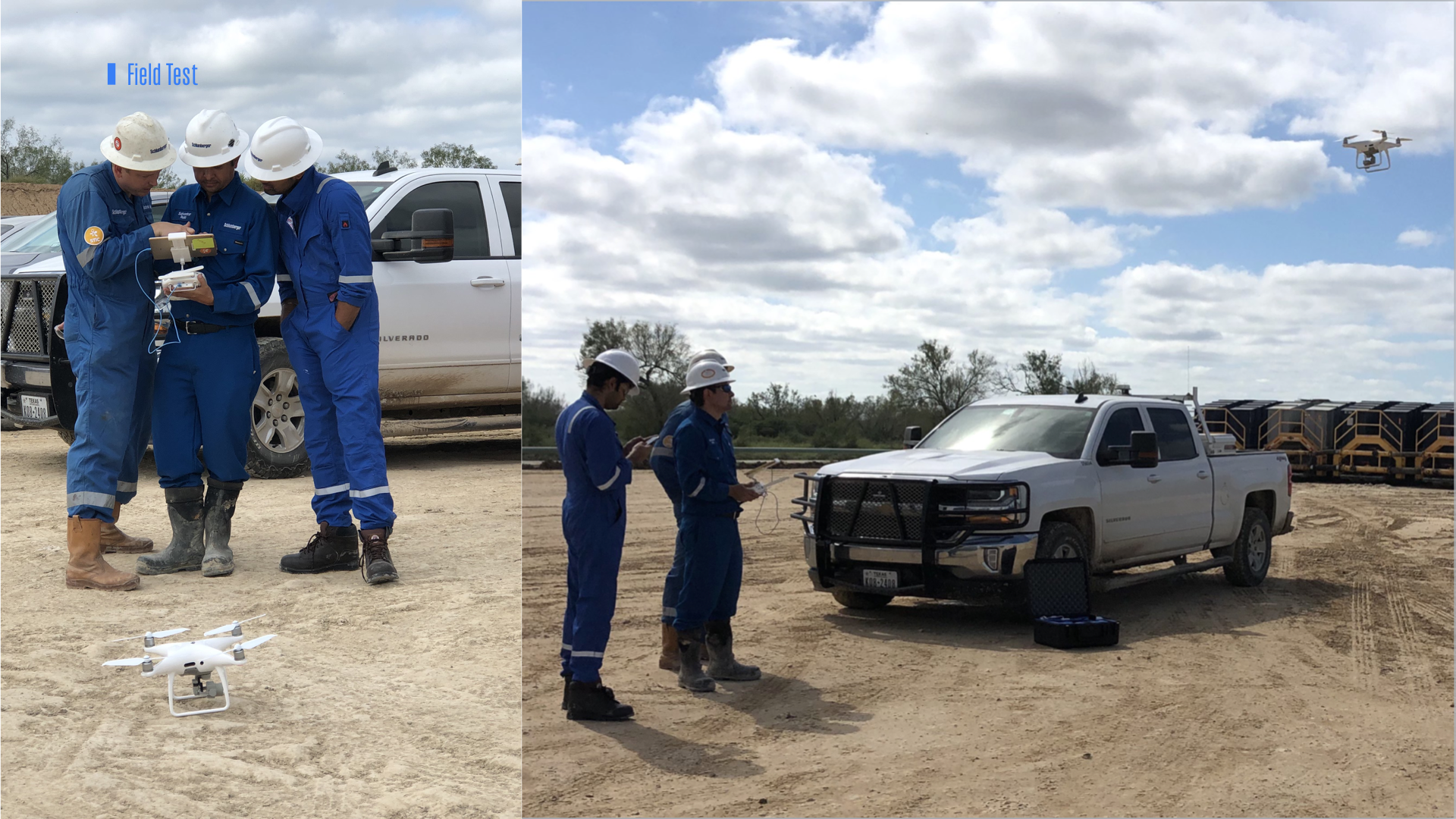
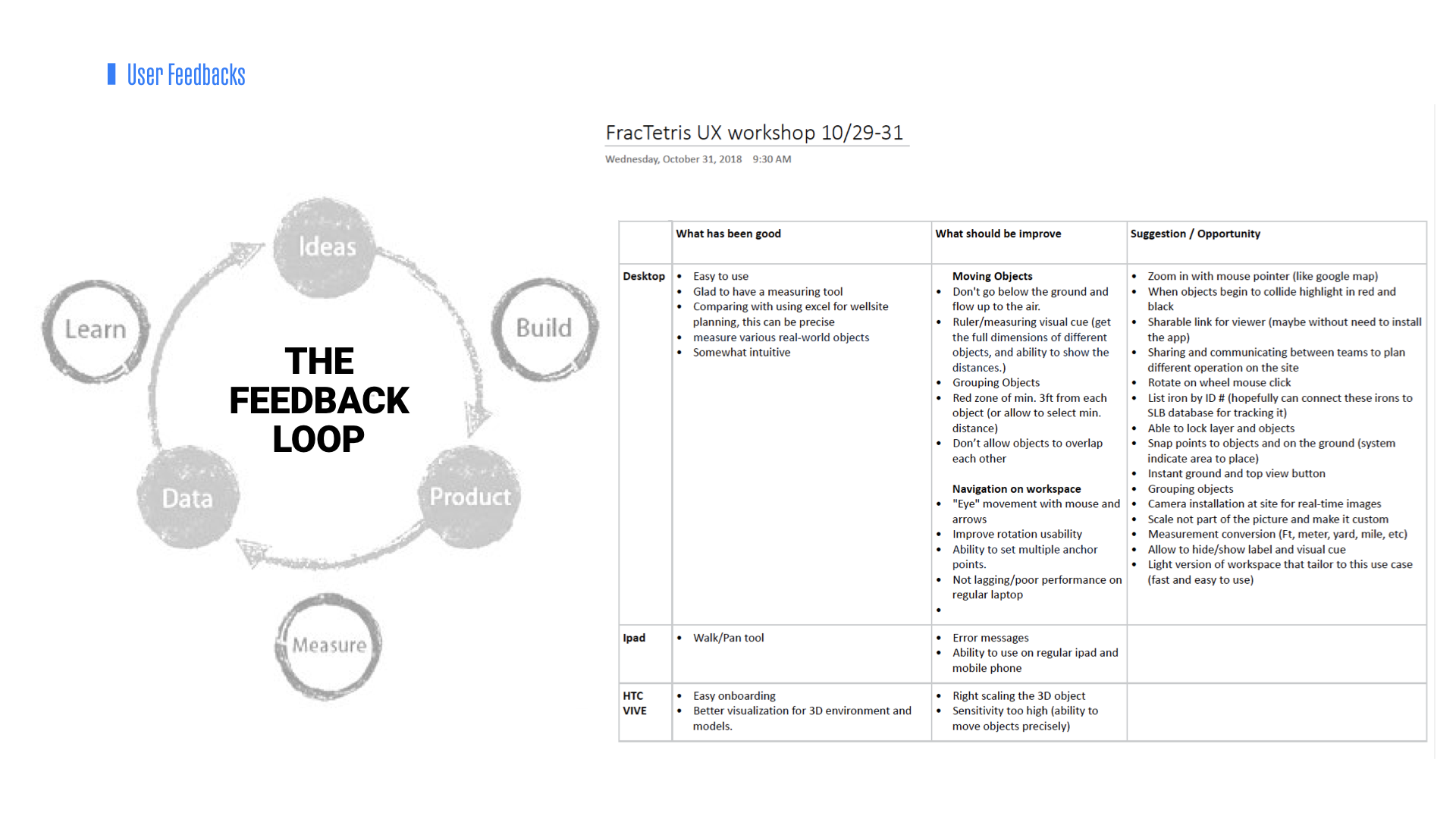
conducted a UX workshop with the user groups. We also traveled to well site locations to test out the
workflow and software with the end users. I applied the Human-Centered Design approach to provide
usability feedback to development teams and product teams.
UX Process
- Research
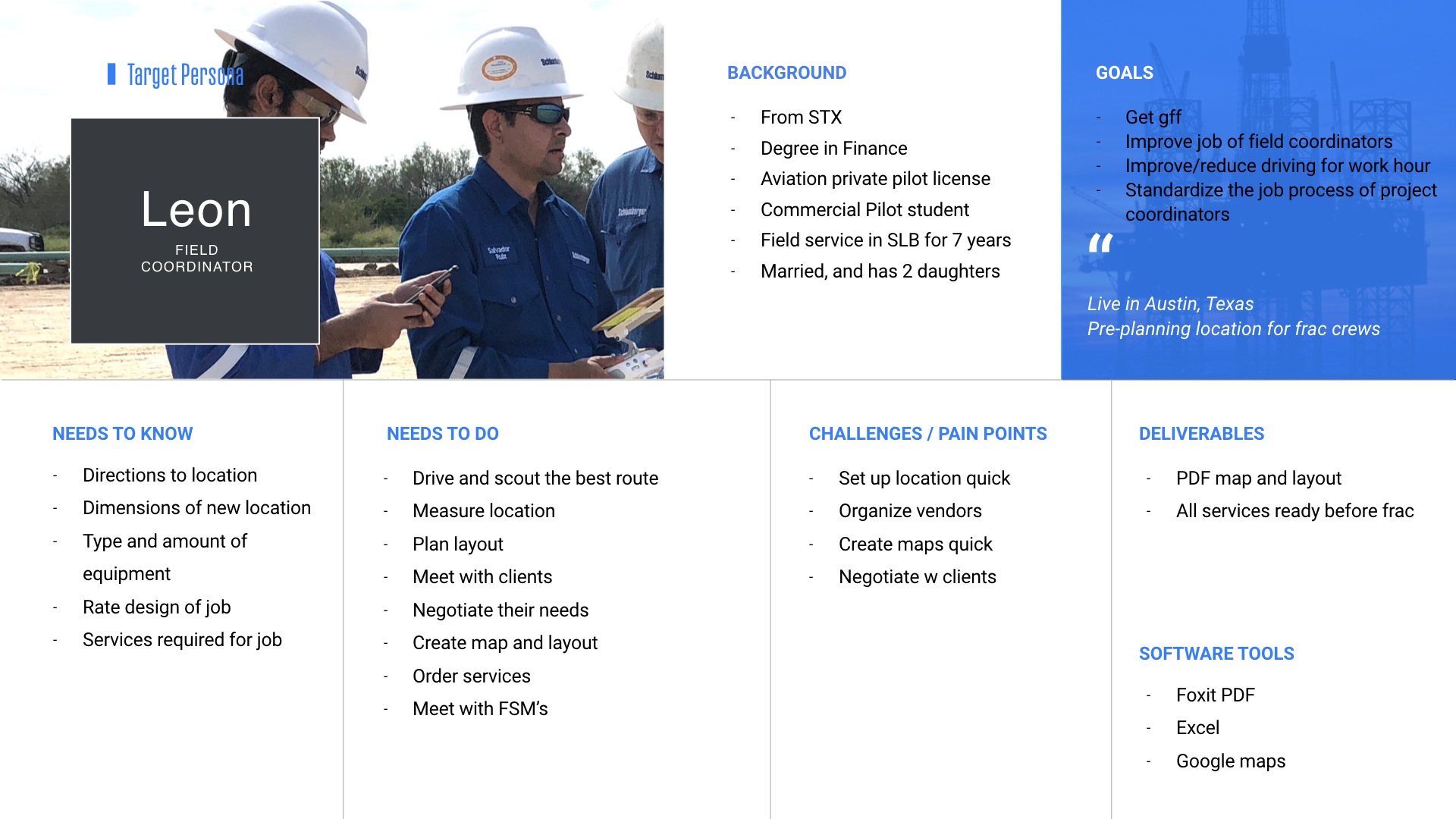
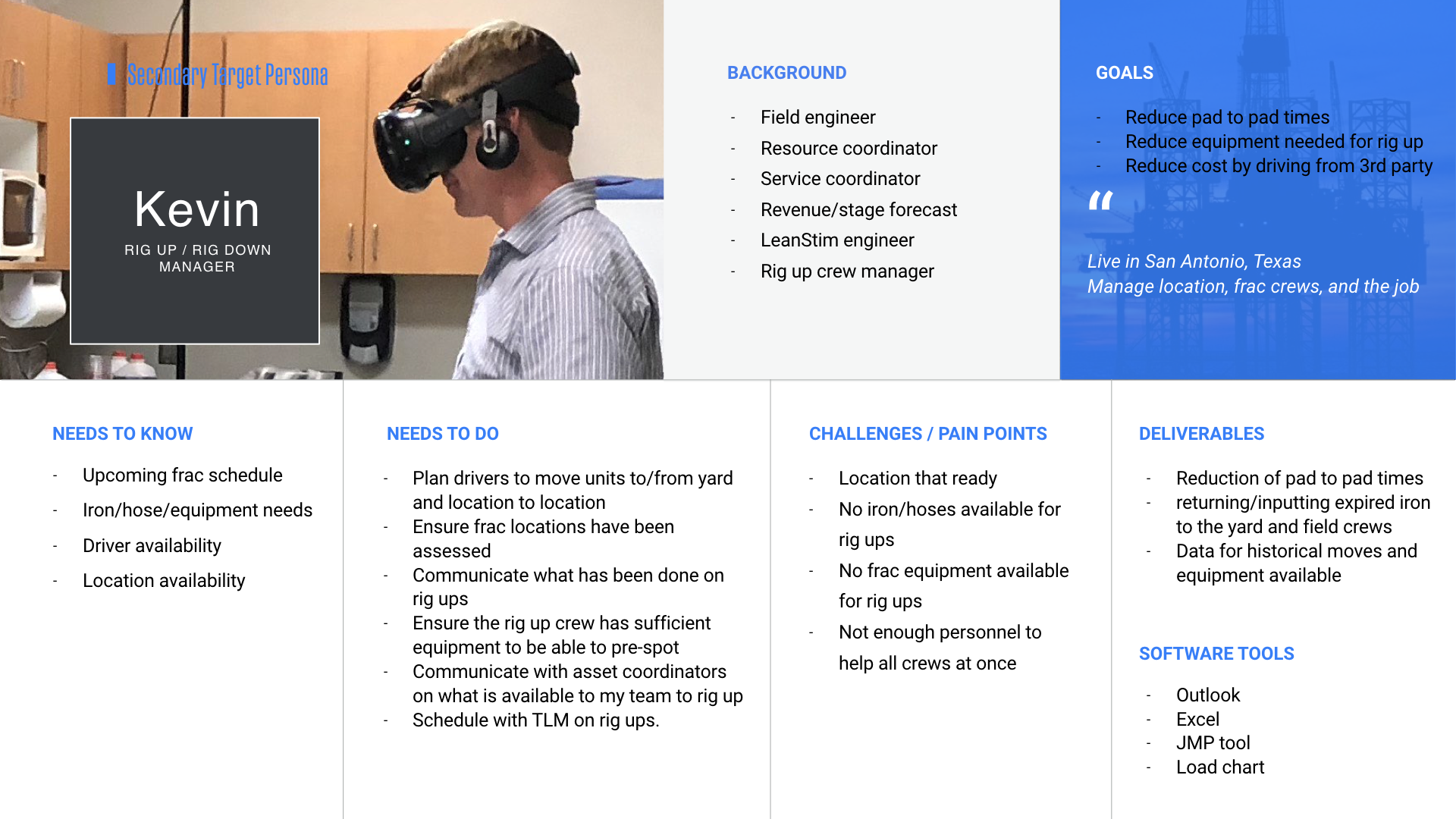
I interviewed stakeholders to understand the business objectives, impact, and how the project fits into the current workflow. I did another interview with target users to learn about their jobs, tasks, journies, and pain points. - Collaborated with Plansity team
I prepared demos on different devices for user testing and field trips. - Conducted a UX workshop at the user group office location
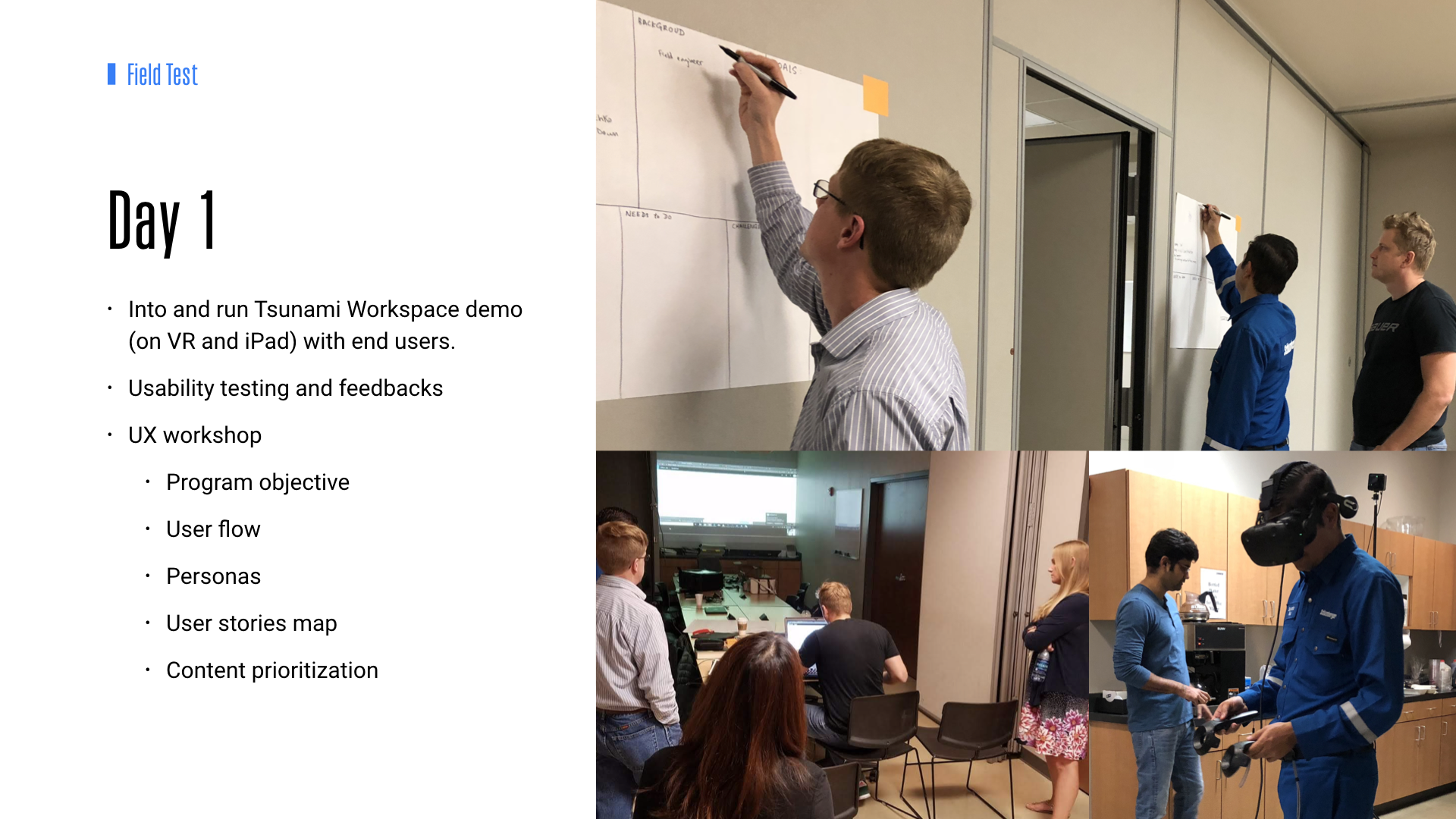
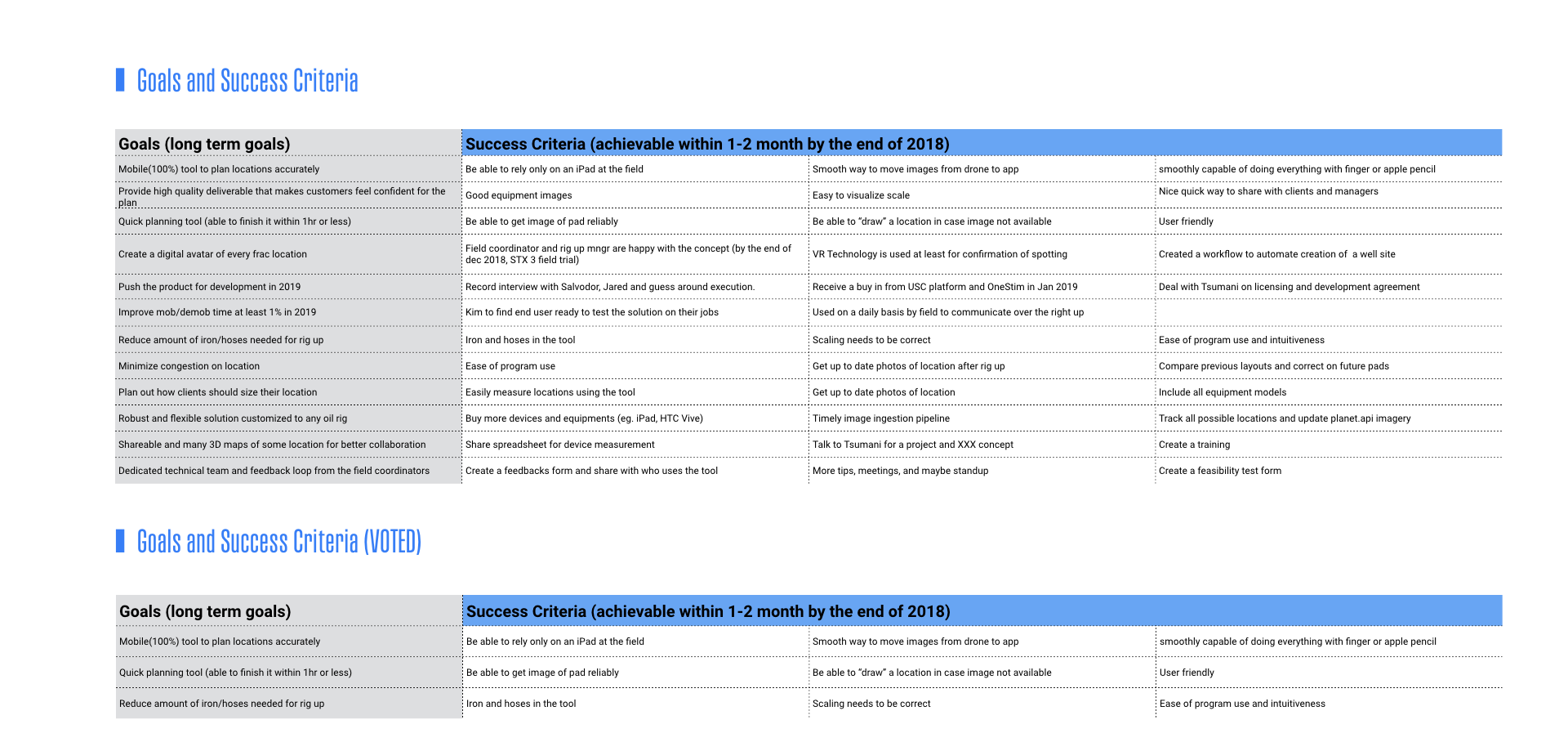
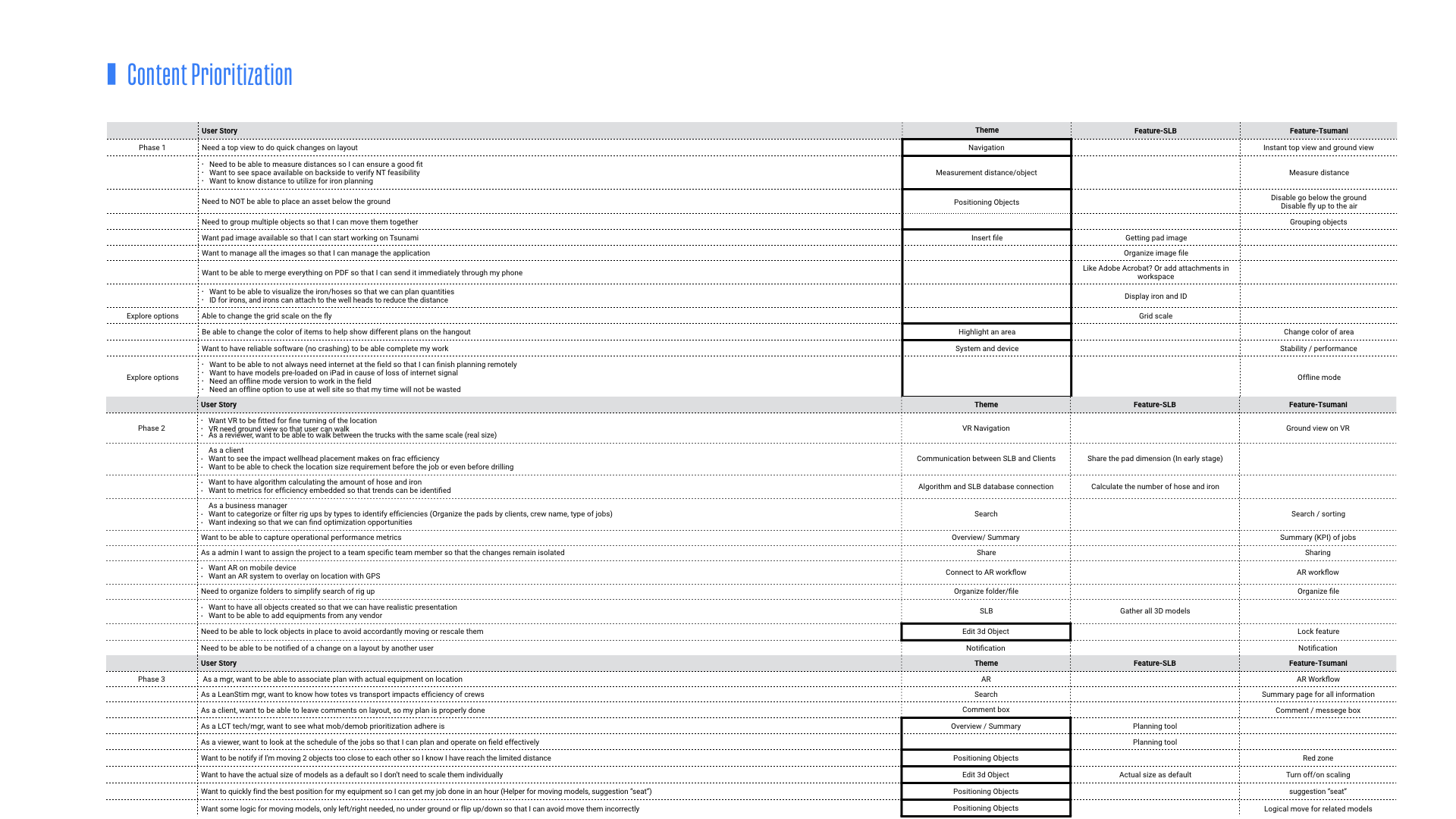
I prepared a set of design toolkits to frame or reframe problems from multiple perspectives. I collected user insights, user stories, needs, and touch points. Lastly, I prioritized the requirements for long- and short-term success. - Tested the solutions in the fields
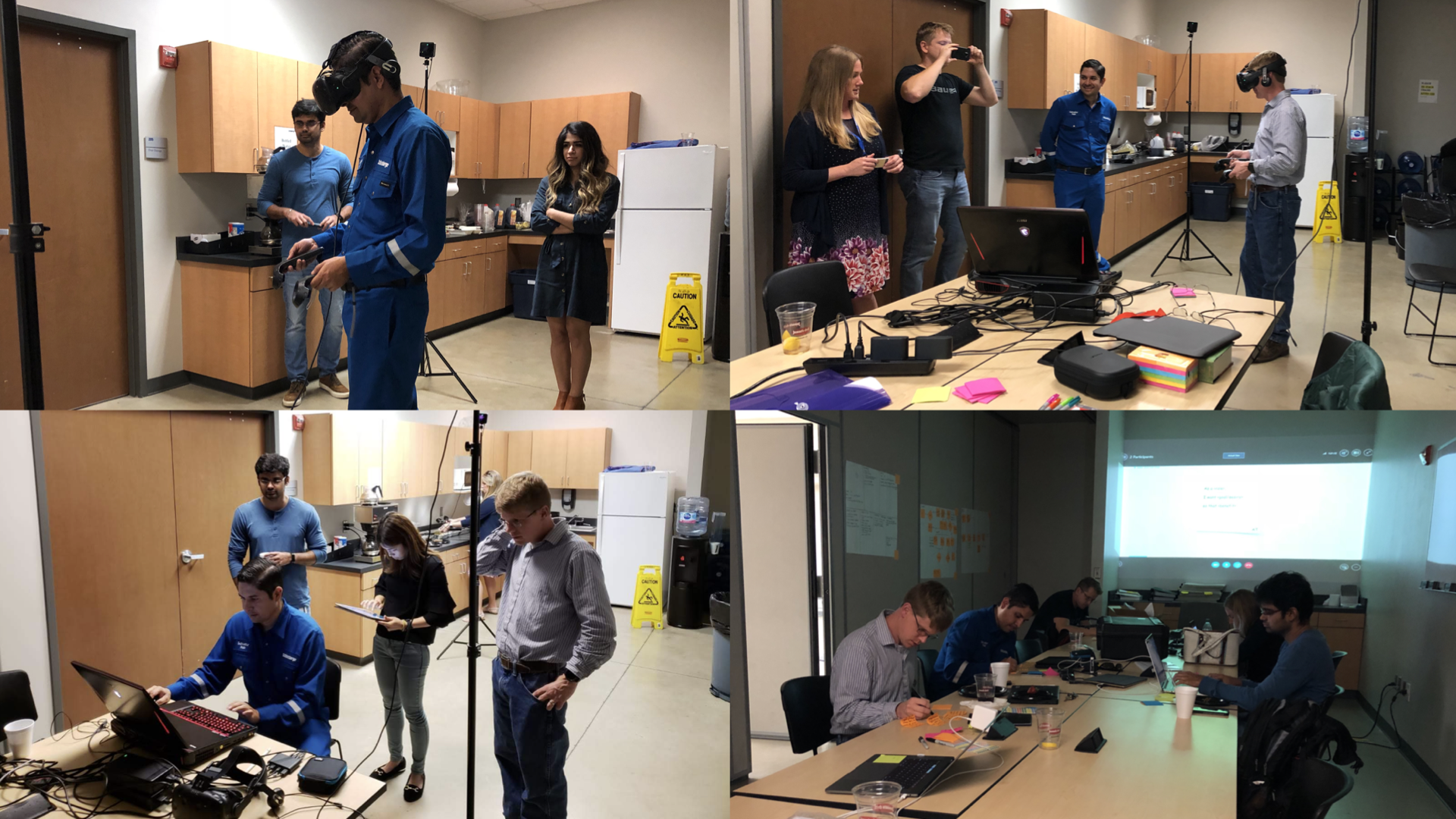
We stepped into the user journey with the end users. I traveled to the well site locations to run the test. - Synthesized and advocated the user-centered design approach
- Iteration
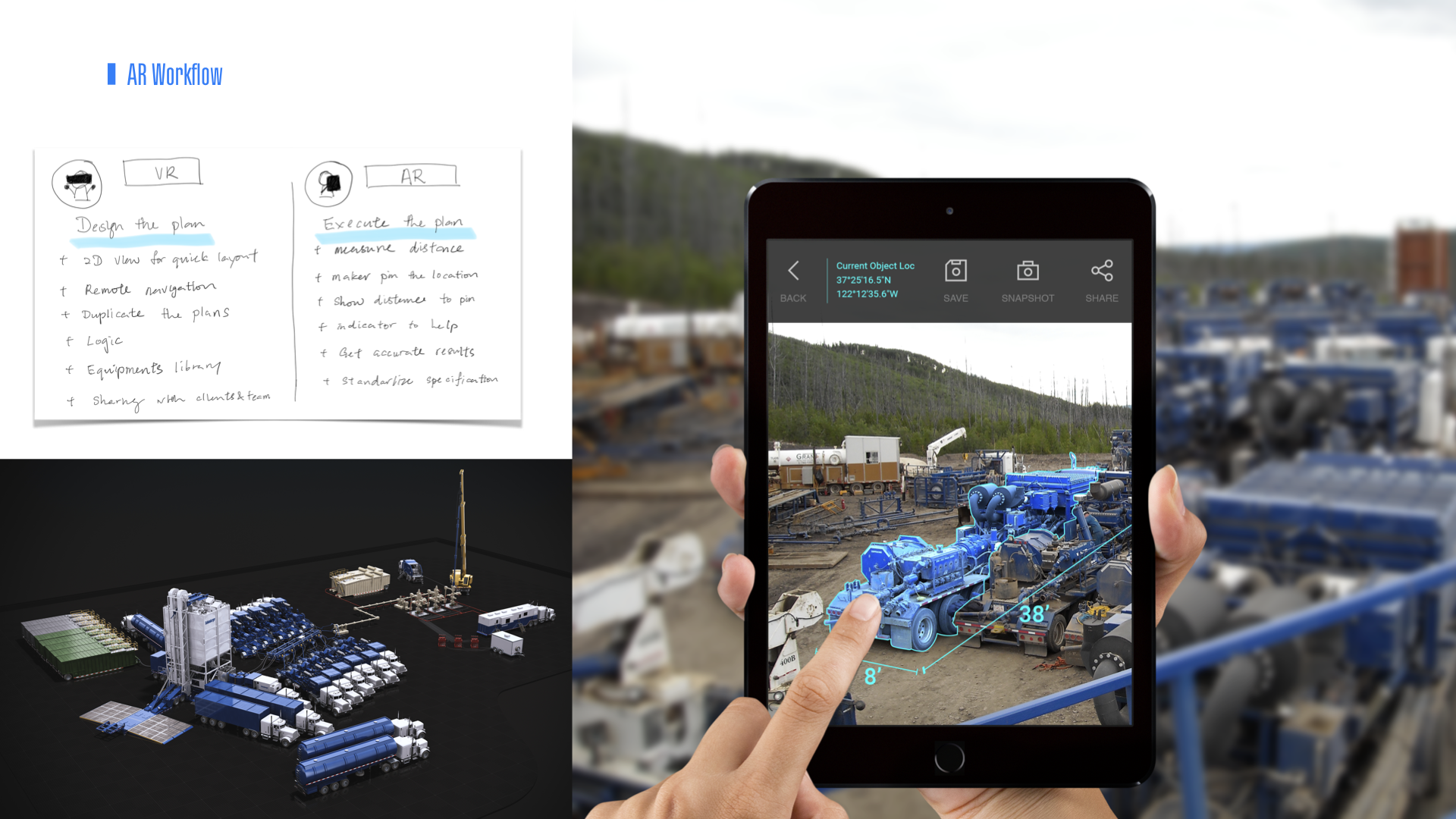
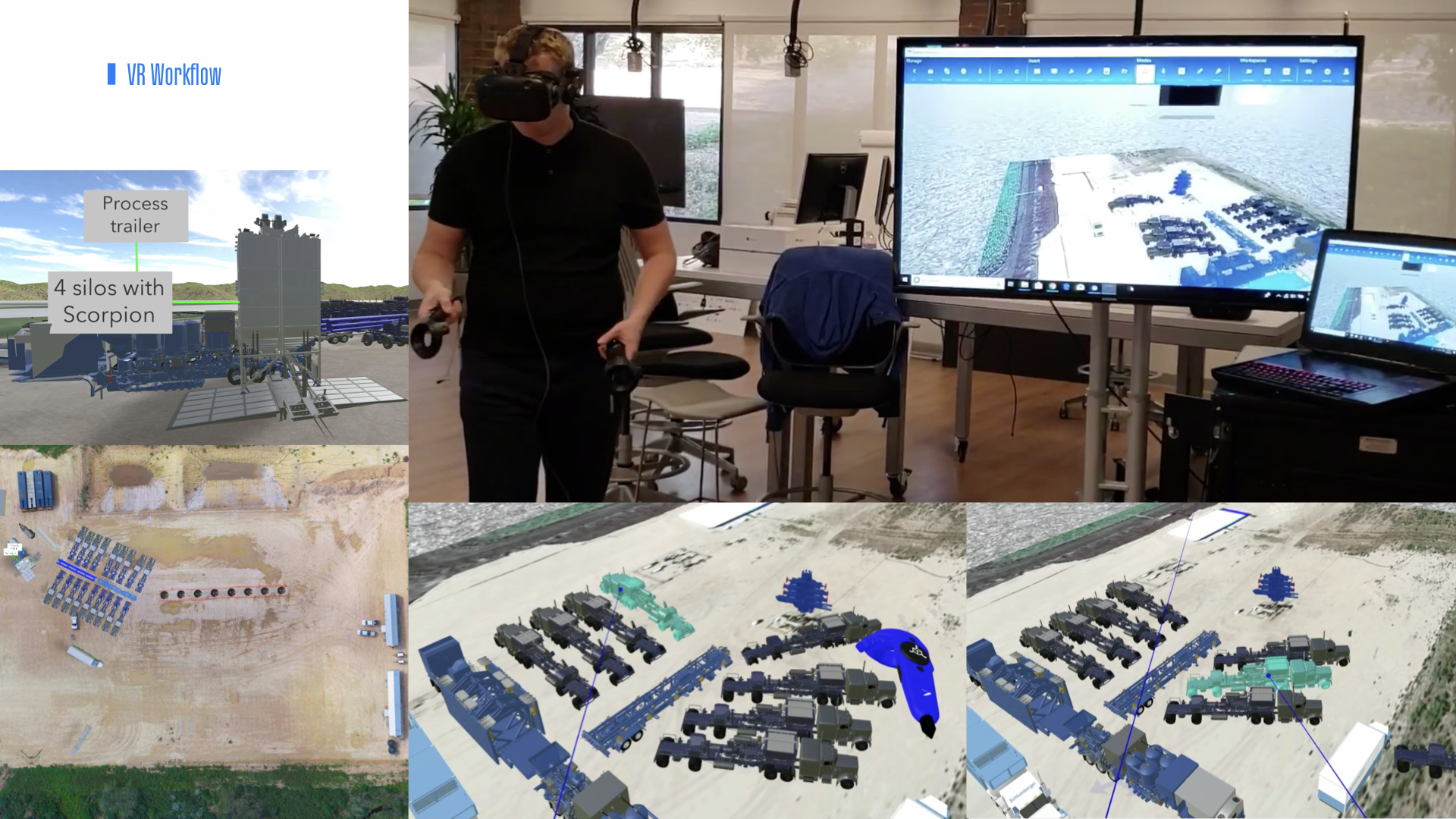
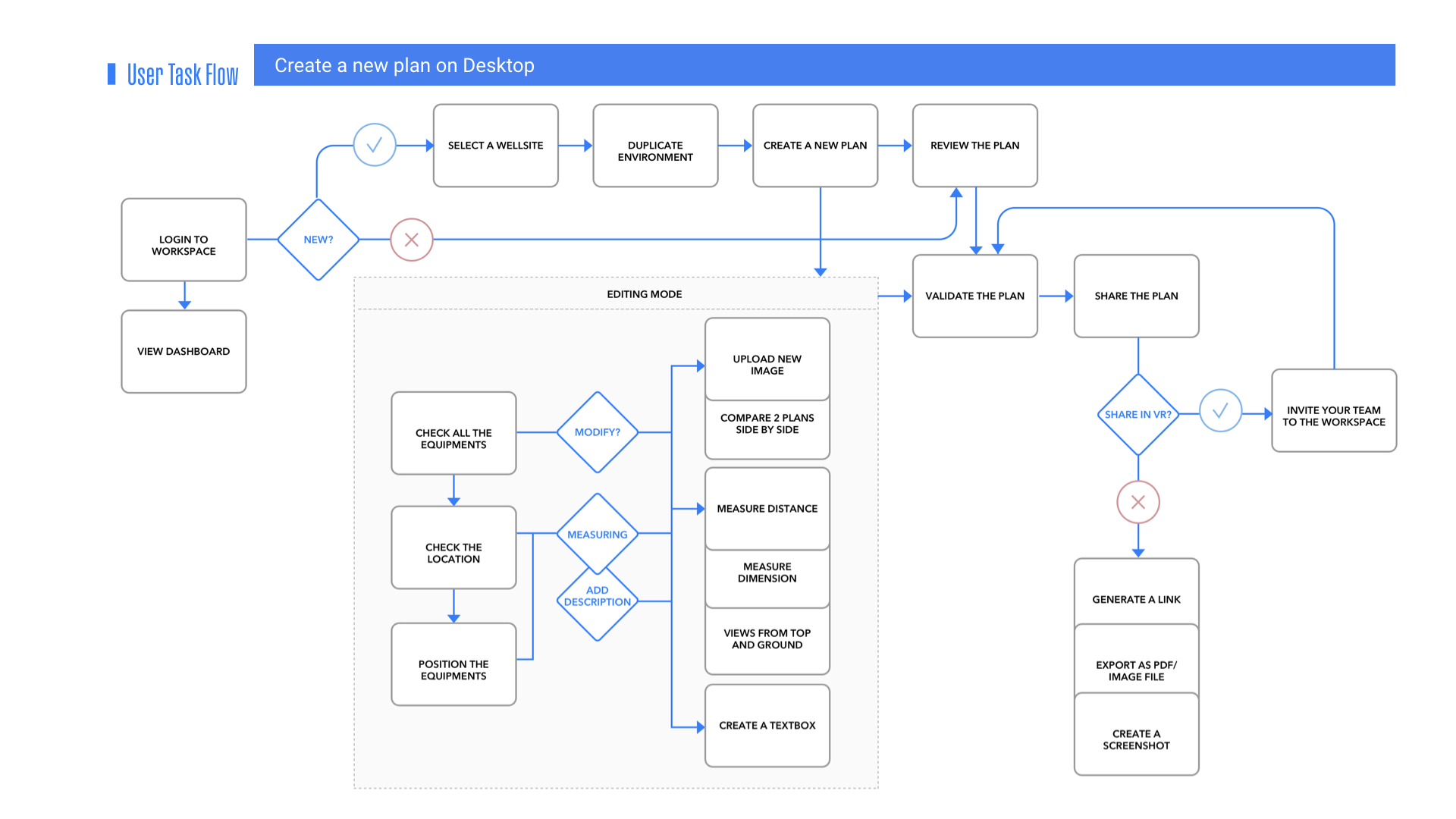
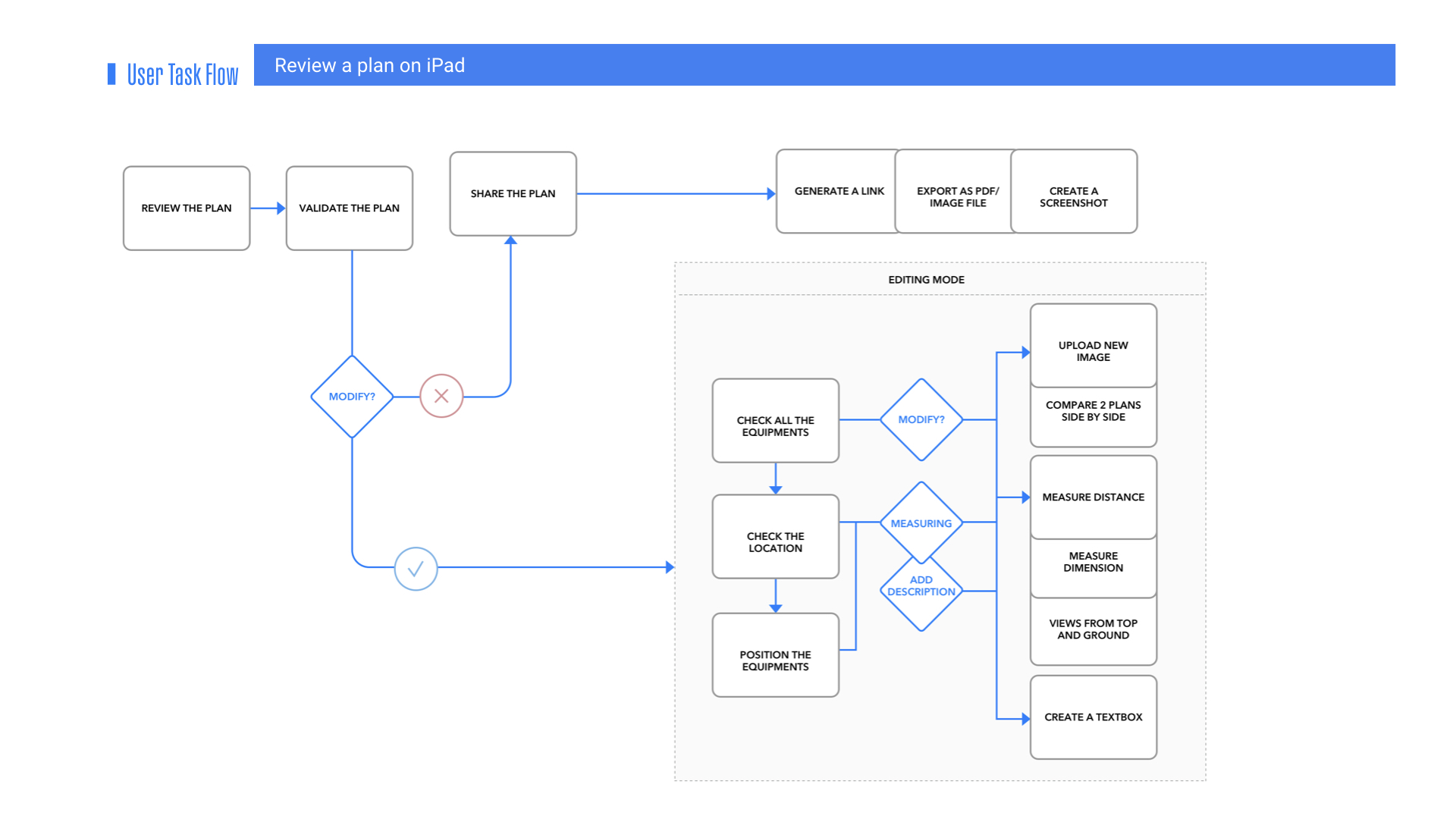
I redesigned different workflows to fit into VR and AR use cases and suggested new features needed for the application. - Delivered the UX artifacts back to the team
UX Goals
- The user needs - incorporating what users wanted to get out of the product
- The team needs – helping the team succeed on this project
- Defining features and functional specifications that the user needs
- Defining content requirements
Impact
- Improved accessibility of information
- Measured distance digitally
- Improved sharing, communication, and collaboration
- Reduced unused time
- Helped improve planning to move the crews and equipment
- Improved the quality of deliverable services
- Delivered the plan ahead of time
- Improved customer communication
- Improved service performance
- Identified new service opportunity
My patented inventions were filled by Schlumberger in 2018. Cross Reality Planning of Oilfield Locations. Provisional patent application, Serial Number 62/757,023 filled on Nov 7, 2018, Attorney Docket No. IS18.1120-US-PSP
You may also like